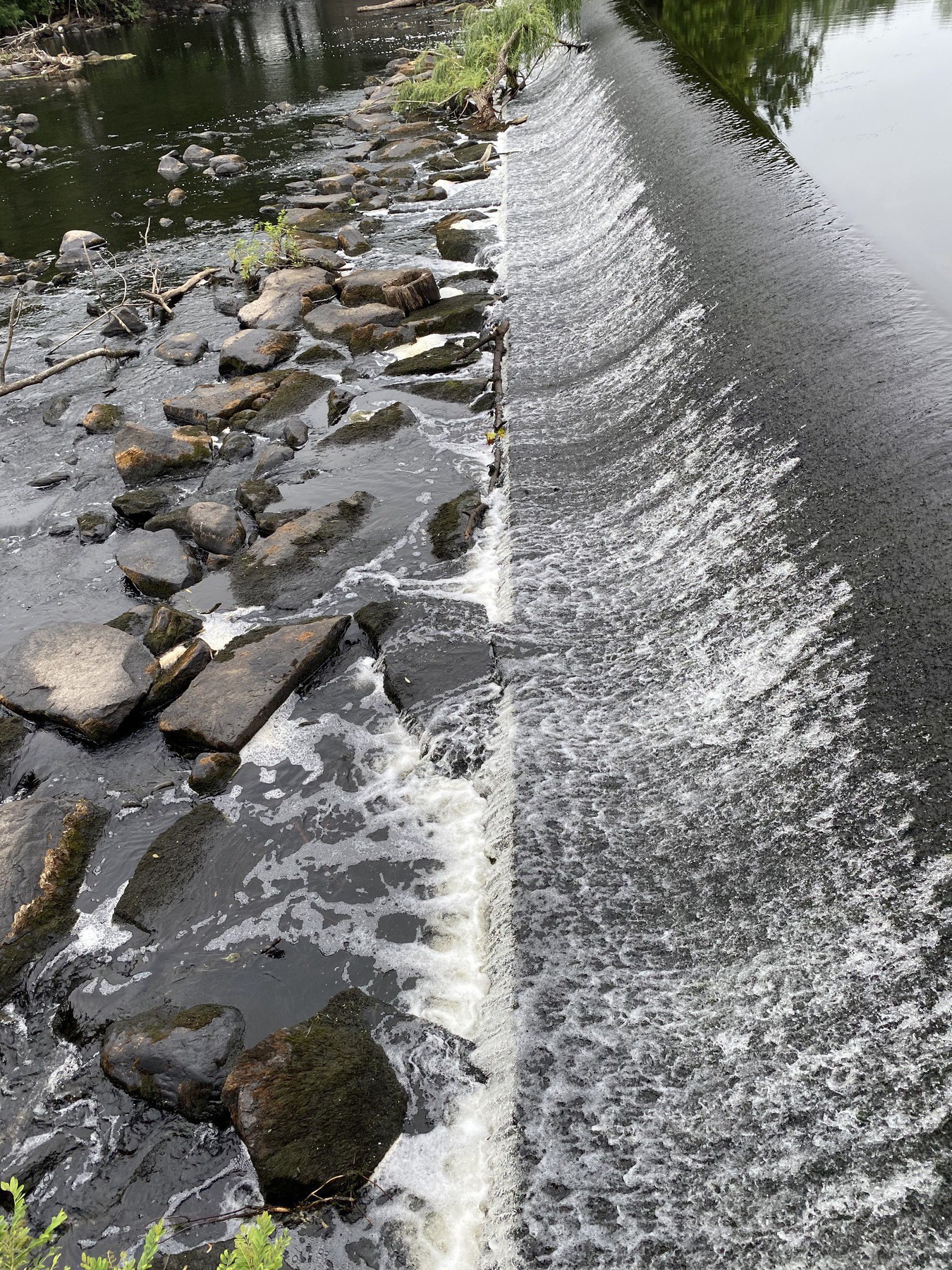
Crunch #mbaug 21
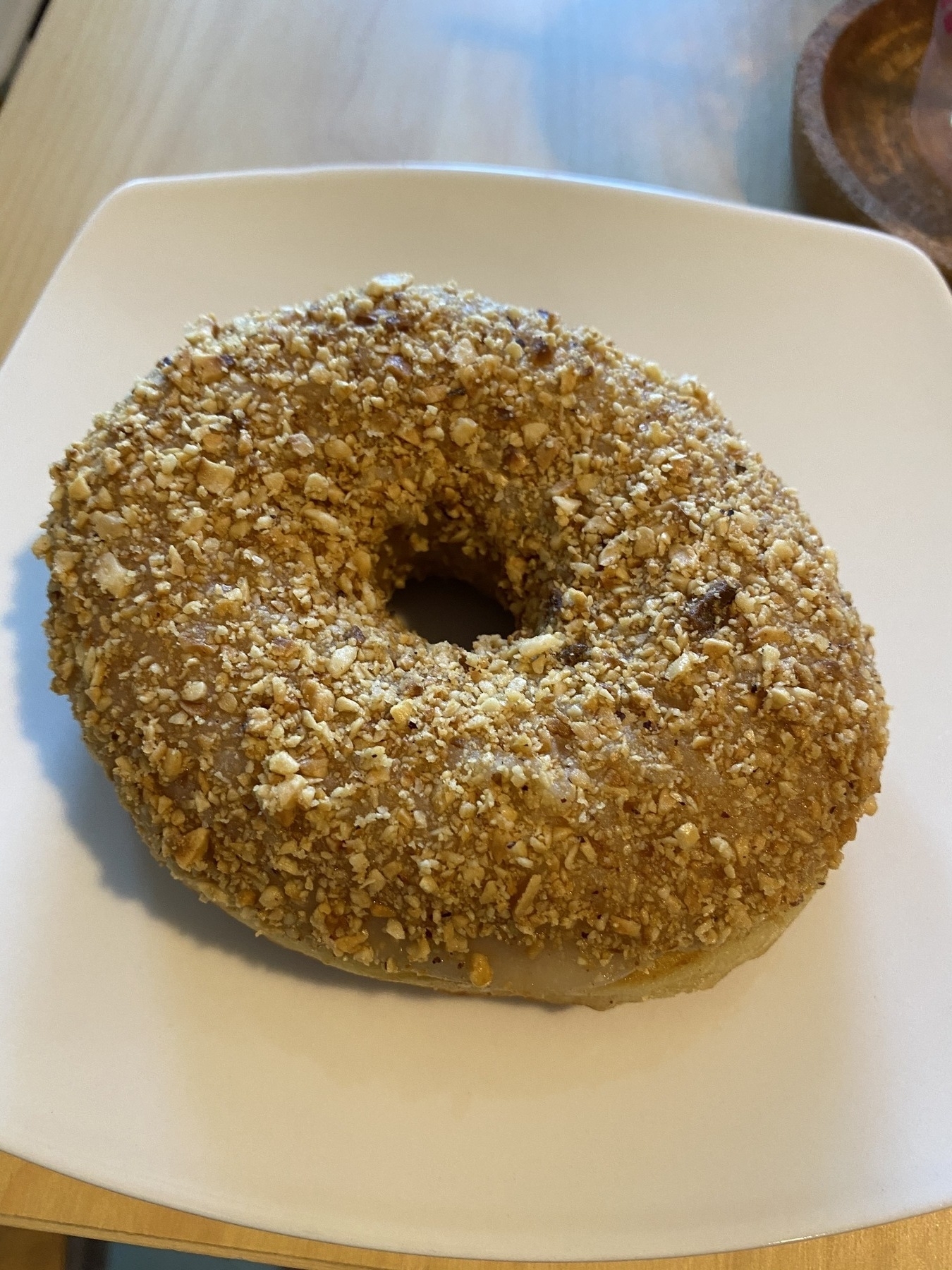

Crunch #mbaug 21
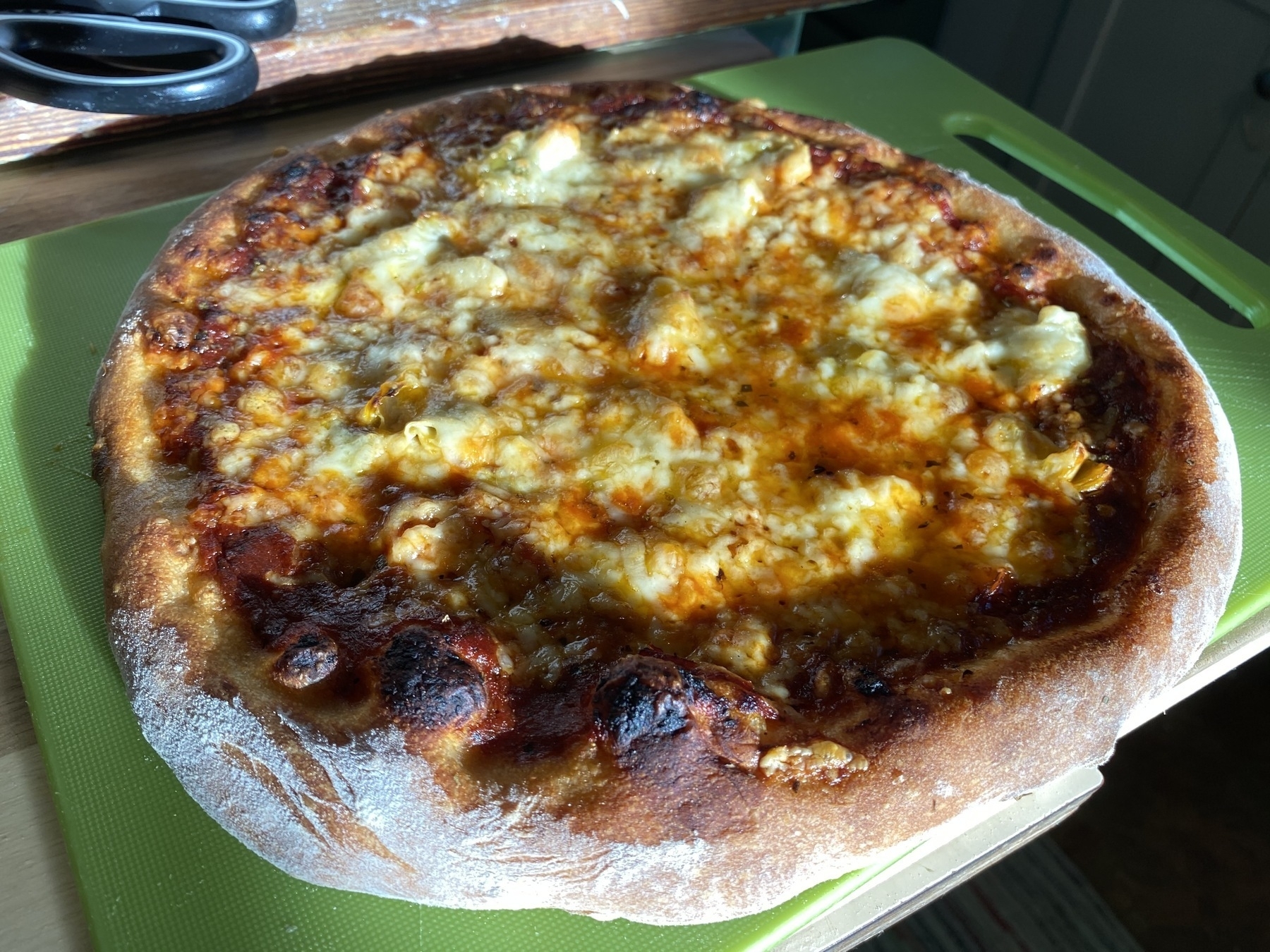
Thursday pizza, artichoke hearts and prosciutto 🍕
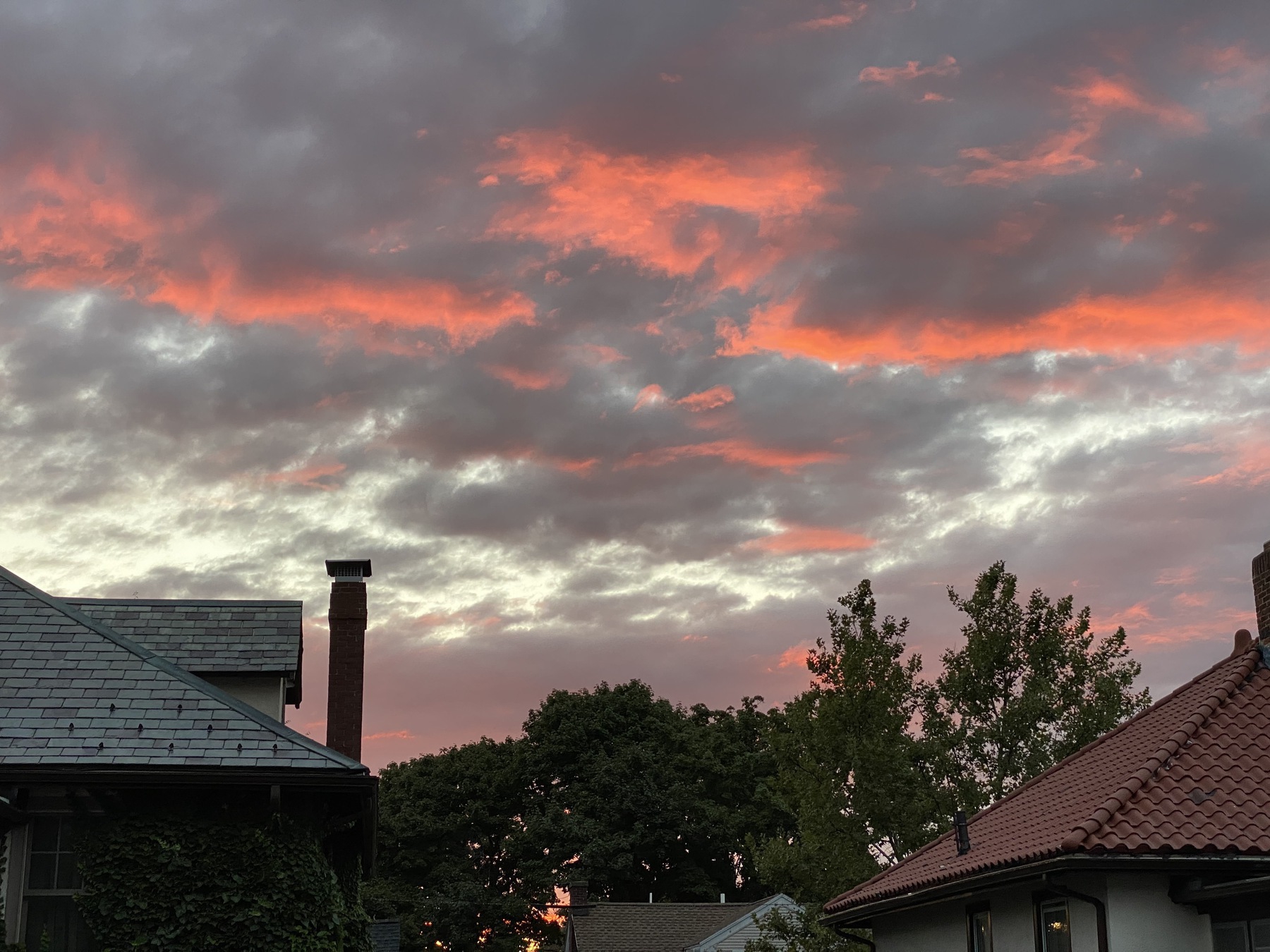
Change is coming #mbaug 20

Another nice sunset
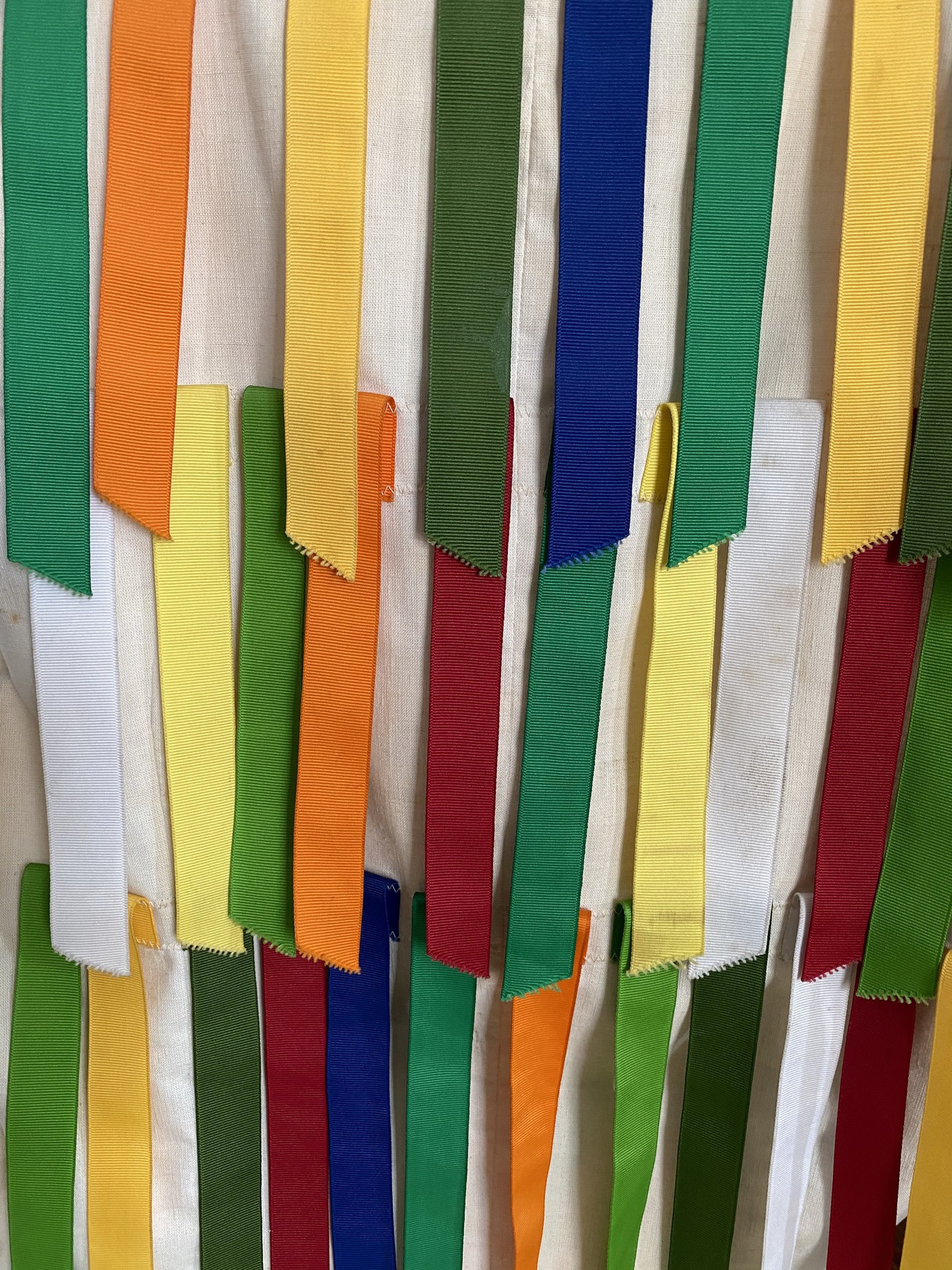
Ribbons #mbaug 19
Grid #mbaug 18

The mail-in ballot for the primary finally arrived today, and I filled it out immediately and took it down to town hall where they have a drop-off box just inside the door. Next up, the main event!
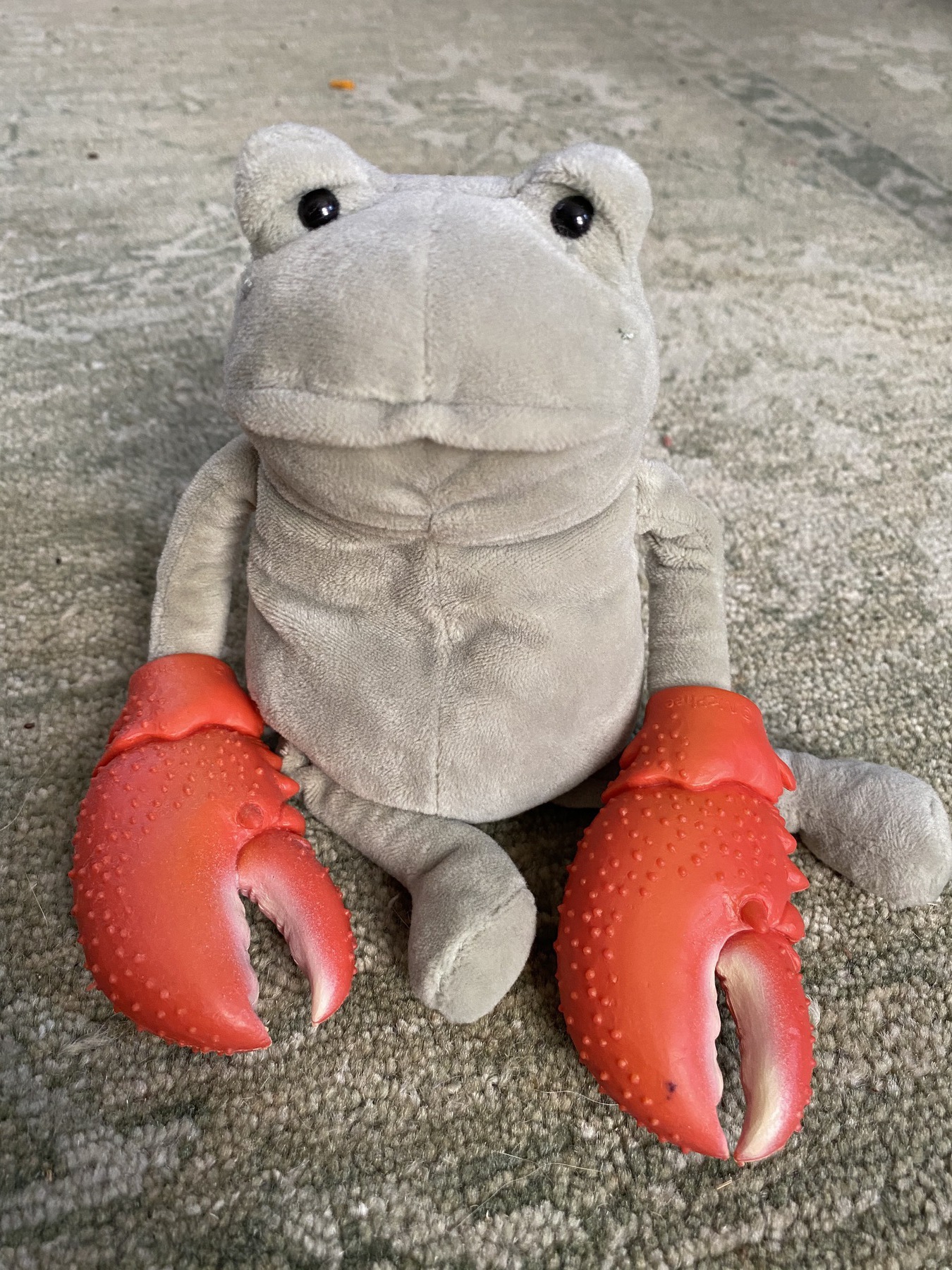
Cuddly #mbaug 17
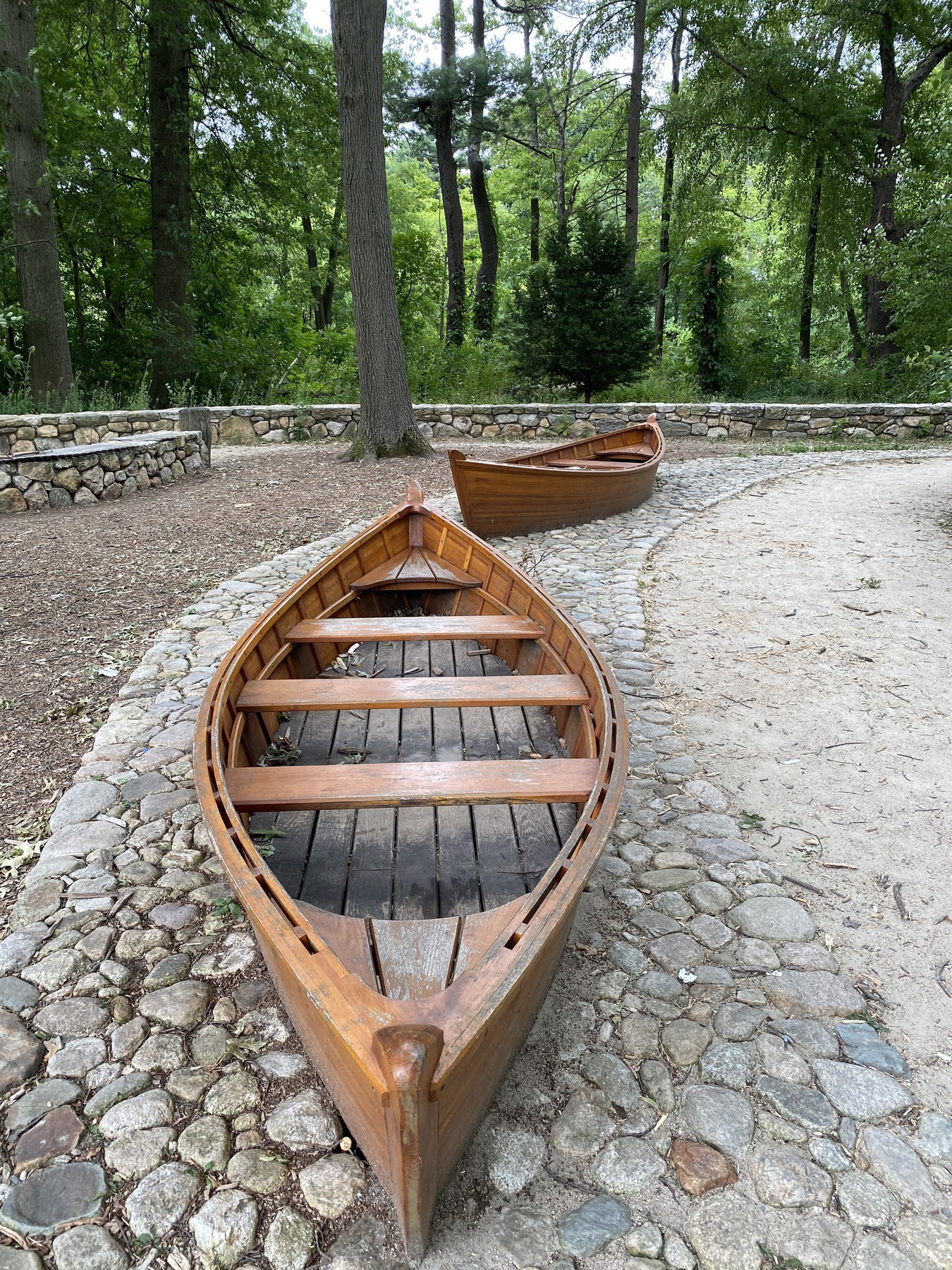
Stationary boats #mbaug 16
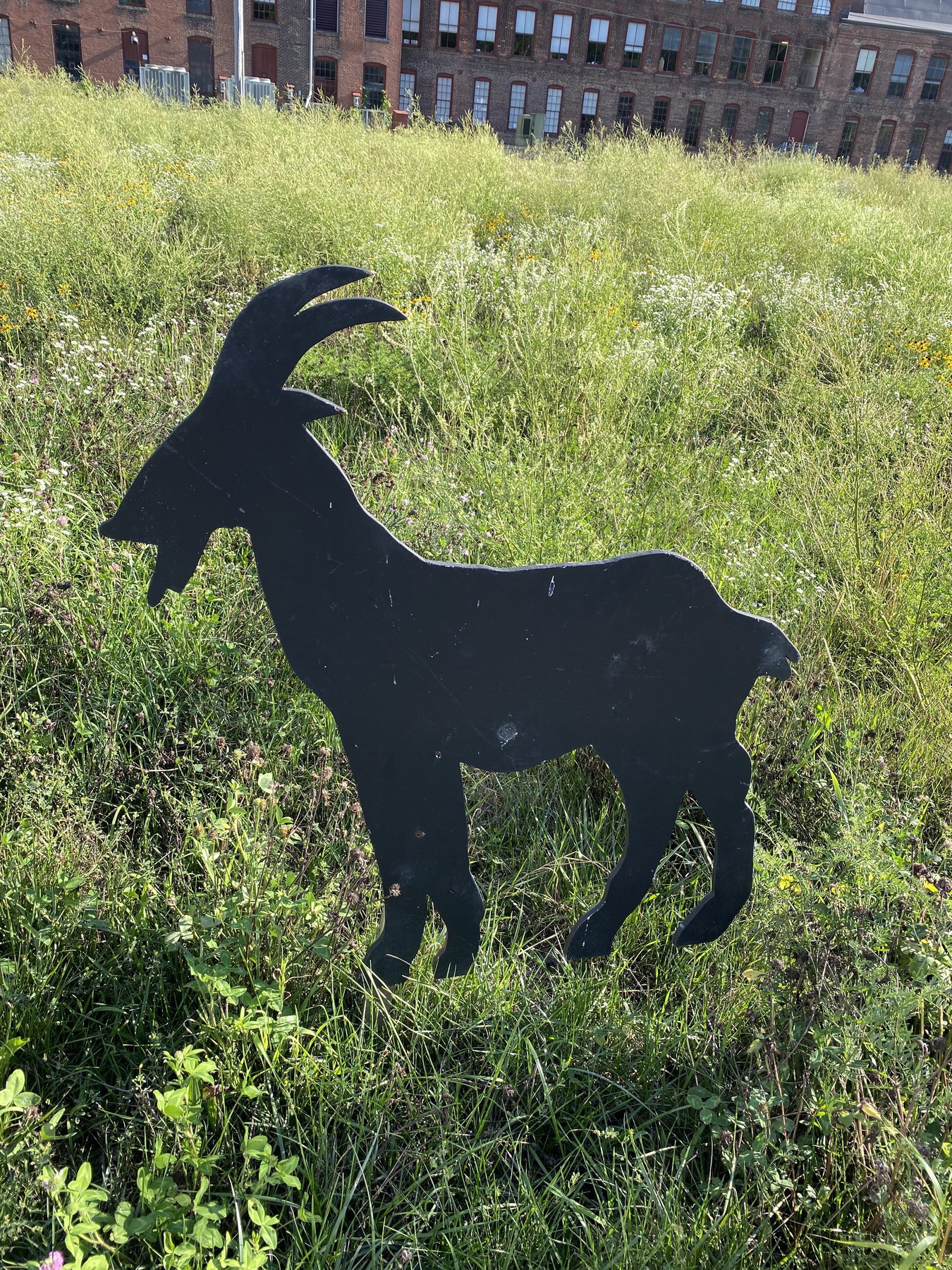
Silhouette #mbaug 15
Green bell peppers and turkey sausage 🍕

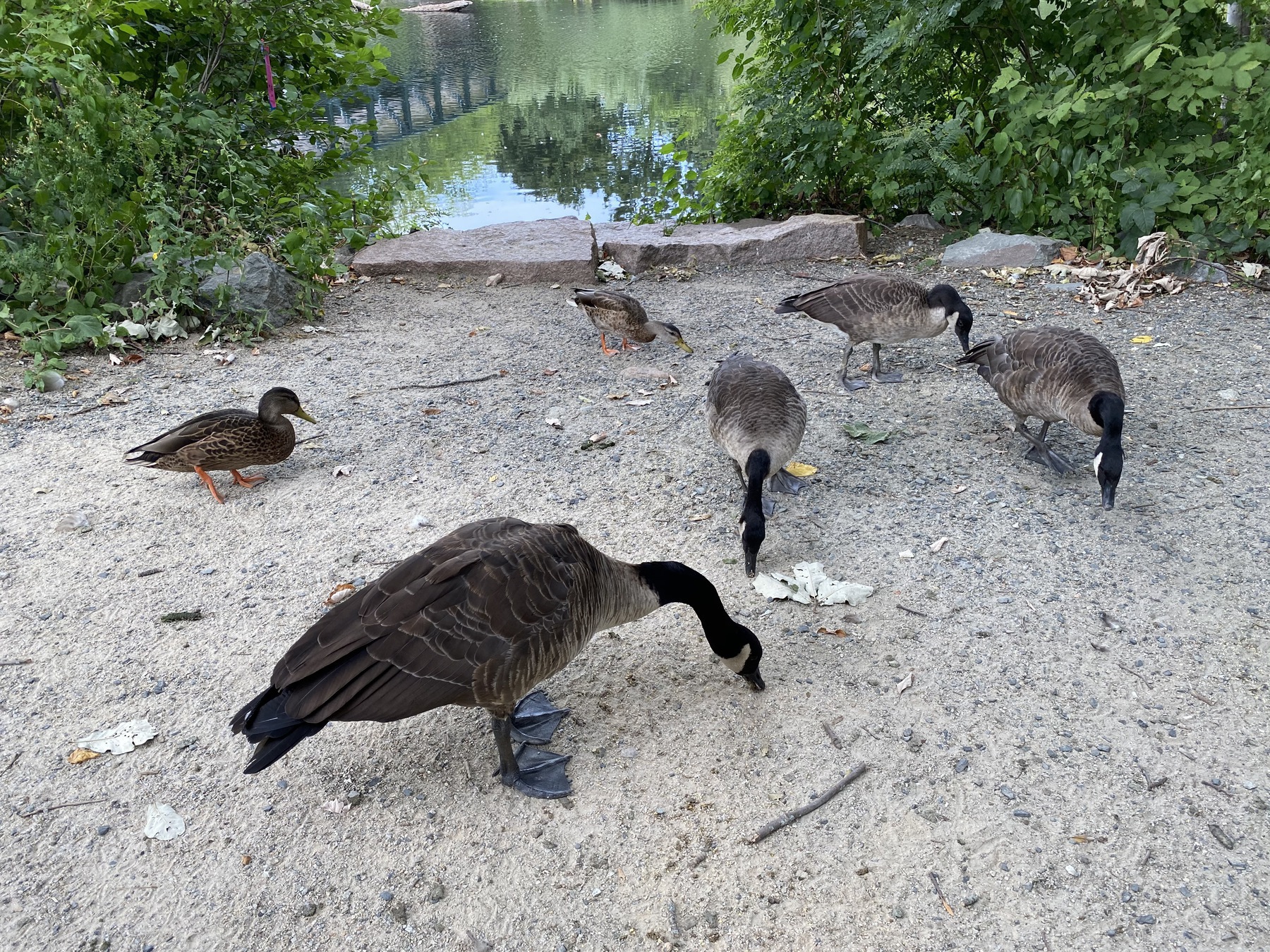
Among the geese #mbaug 14
Filter to black-and-white #mbaug 13
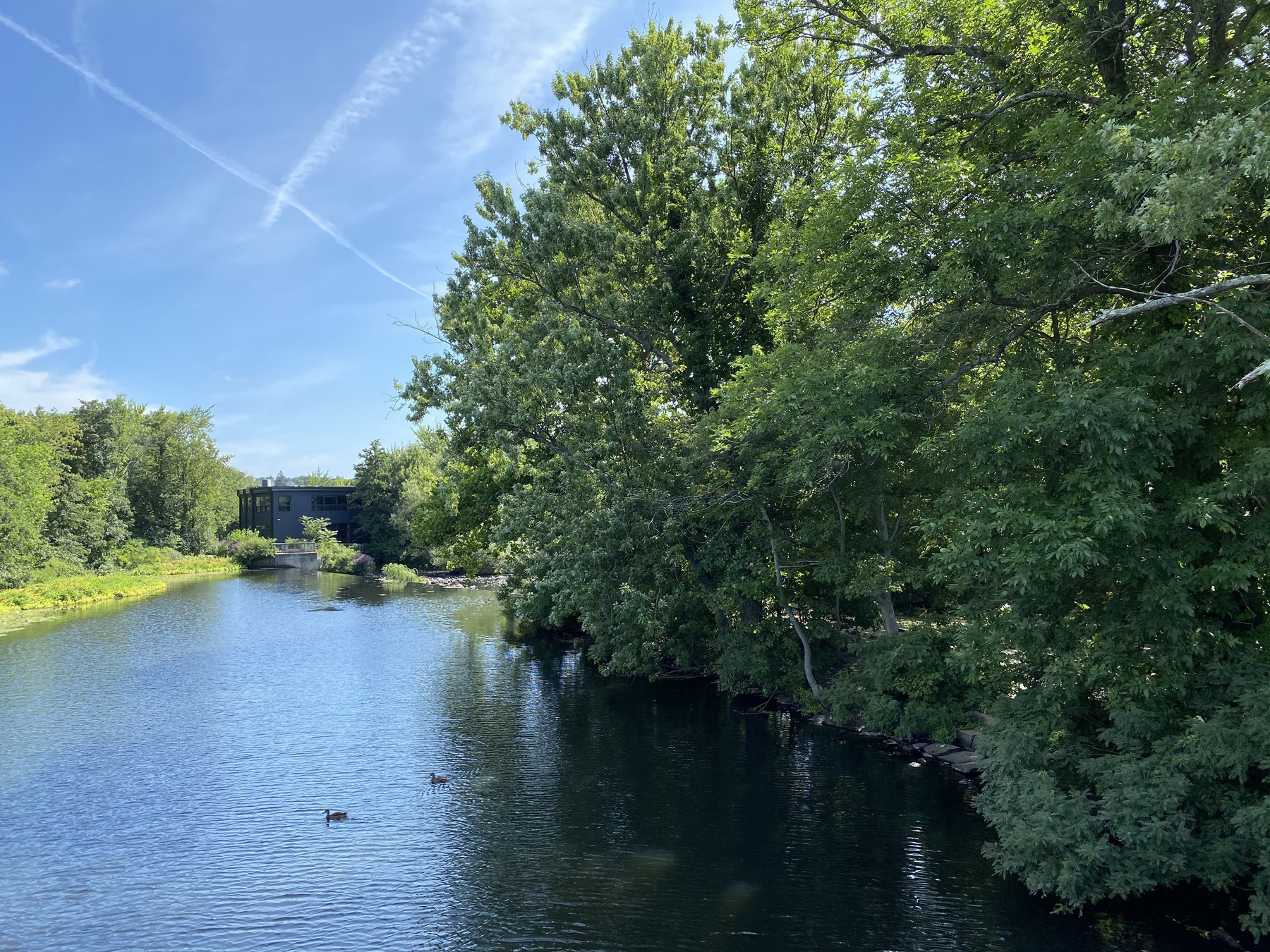
Sound of wind in the trees #mbaug 12
I have no problem supporting a Harris-Biden ticket.
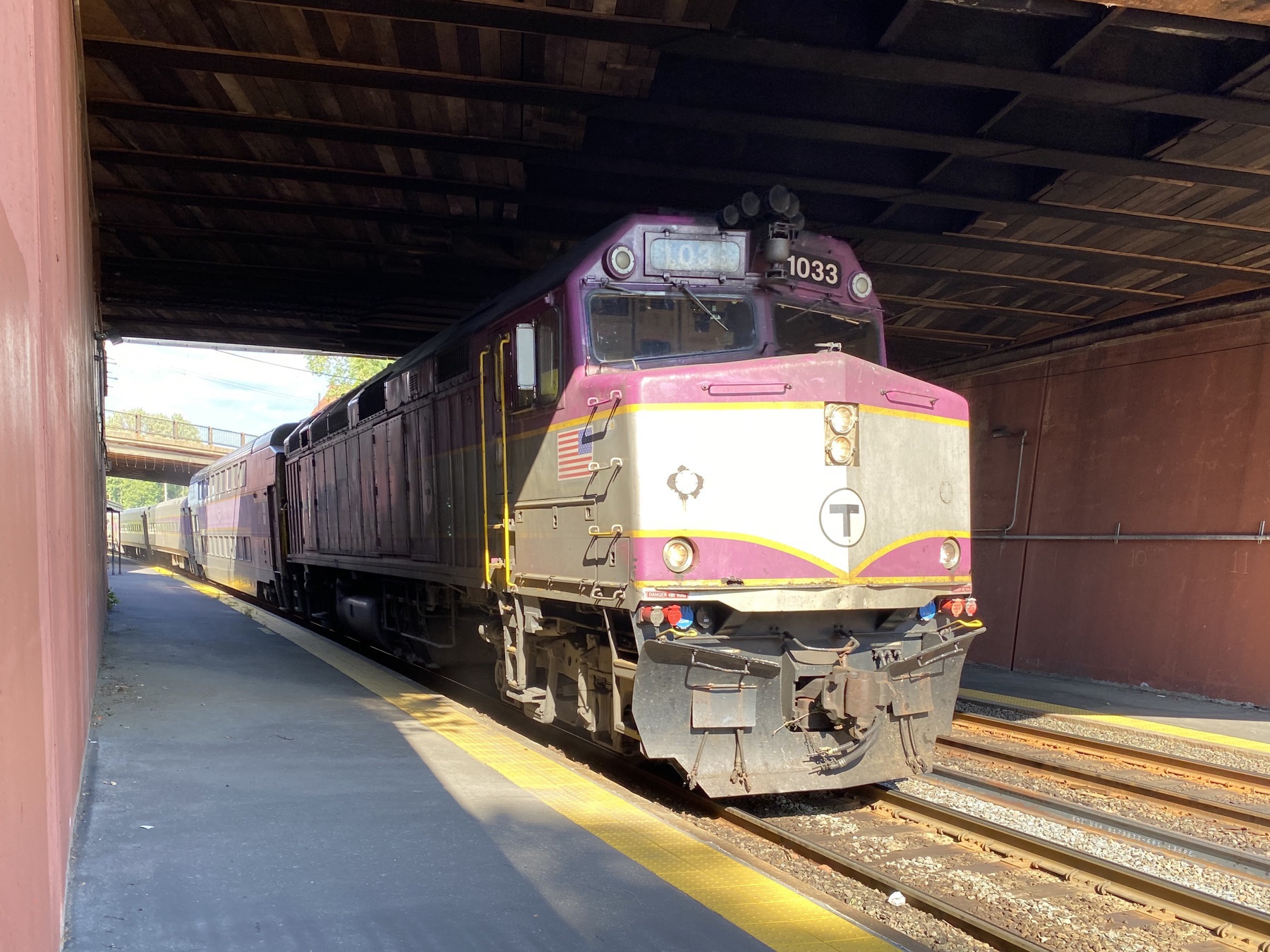
Transportation #mbaug 11
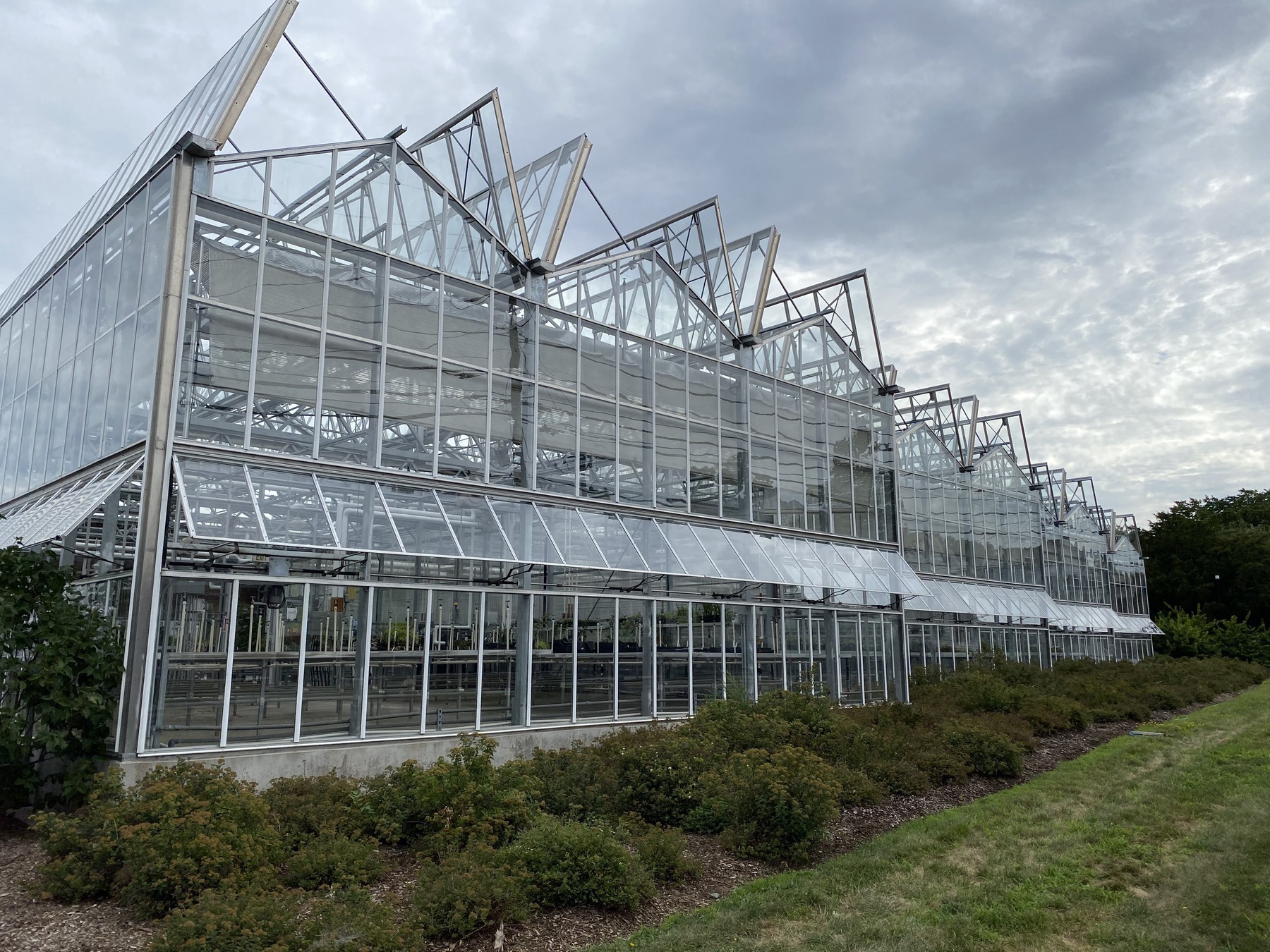
Windows #mbaug 10
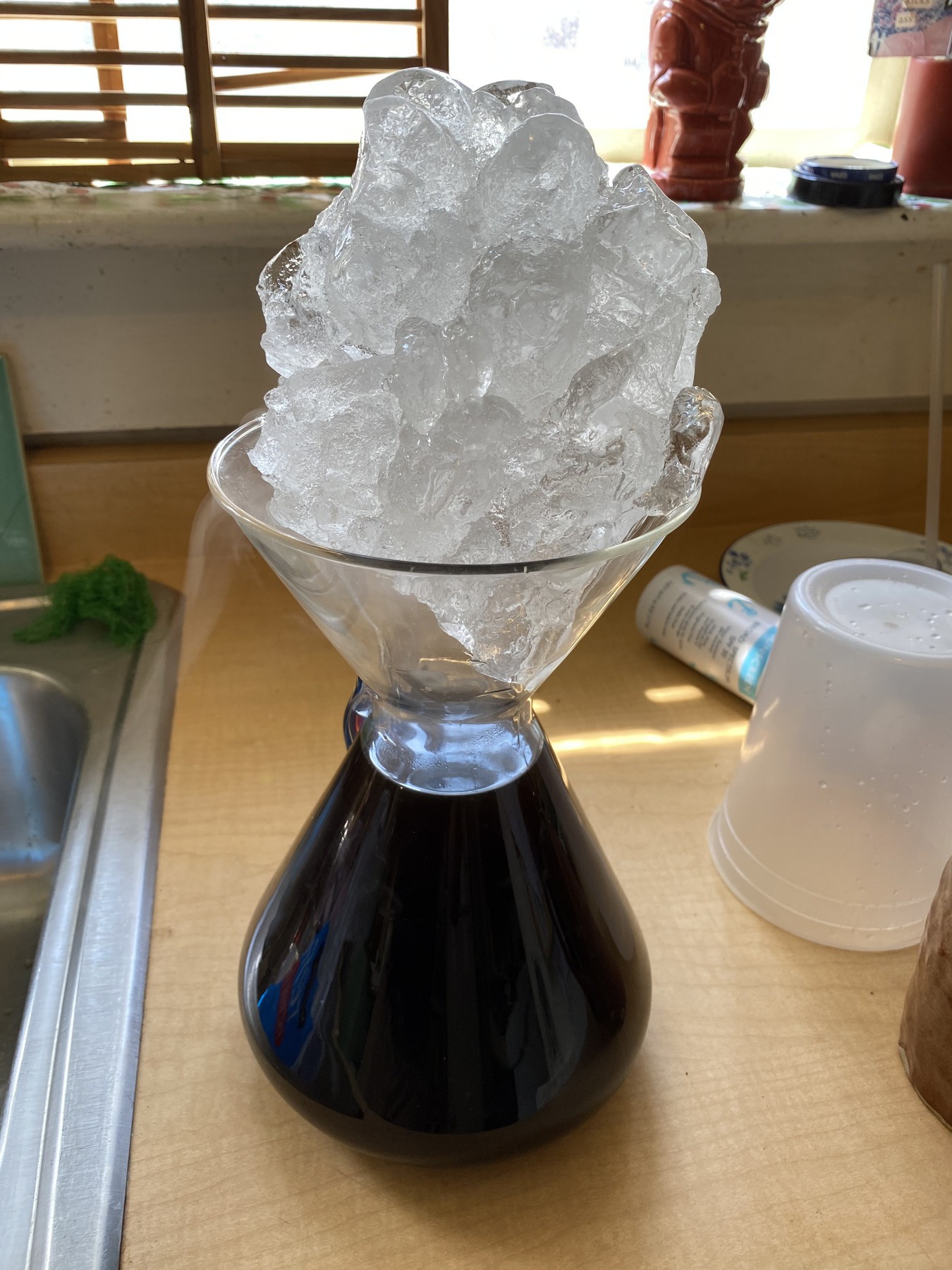
Black-and-white coffee-and-ice #mbaug 9
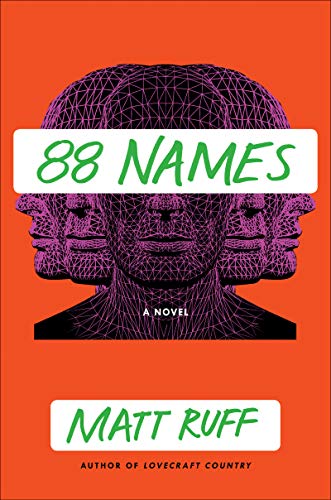
I read the author’s Lovecraft Country some time ago (and the HBO series based on that novel starts next week), so I was interested to see this take on online gaming culture in a society only slightly more technologically advanced than our own. The stakes are much lower (beating an online dungeon raid rather overcoming the combined forces of racism and eldritch horror), and even when the action spills over into real life gunplay the characters don’t really seem to have their hearts in the game; it seems like just another raid. I found the protagonist too self centered, a privileged gamer who makes a living by violating terms of service for profit and doesn’t always treat his fellow “sherpas” with the respect they deserve; because the entire story is told from his first person viewpoint I felt that the secondary characters were not given enough screen time, making them feel more like stereotype NPC’s rather than real people.
I also felt shortchanged by the plot’s meandering path to semi-resolution; I never did figure out the significance of the title (perhaps if I was a gamer myself it would be obvious?) and I have never liked an almost literal deus ex machina ending. On the other hand the action sequences kept me turning the pages, and although the style echoes William Gibson slightly it does so with a different voice. Despite having mixed feelings about this particular outing I will be adding more the author’s books to my reading list.
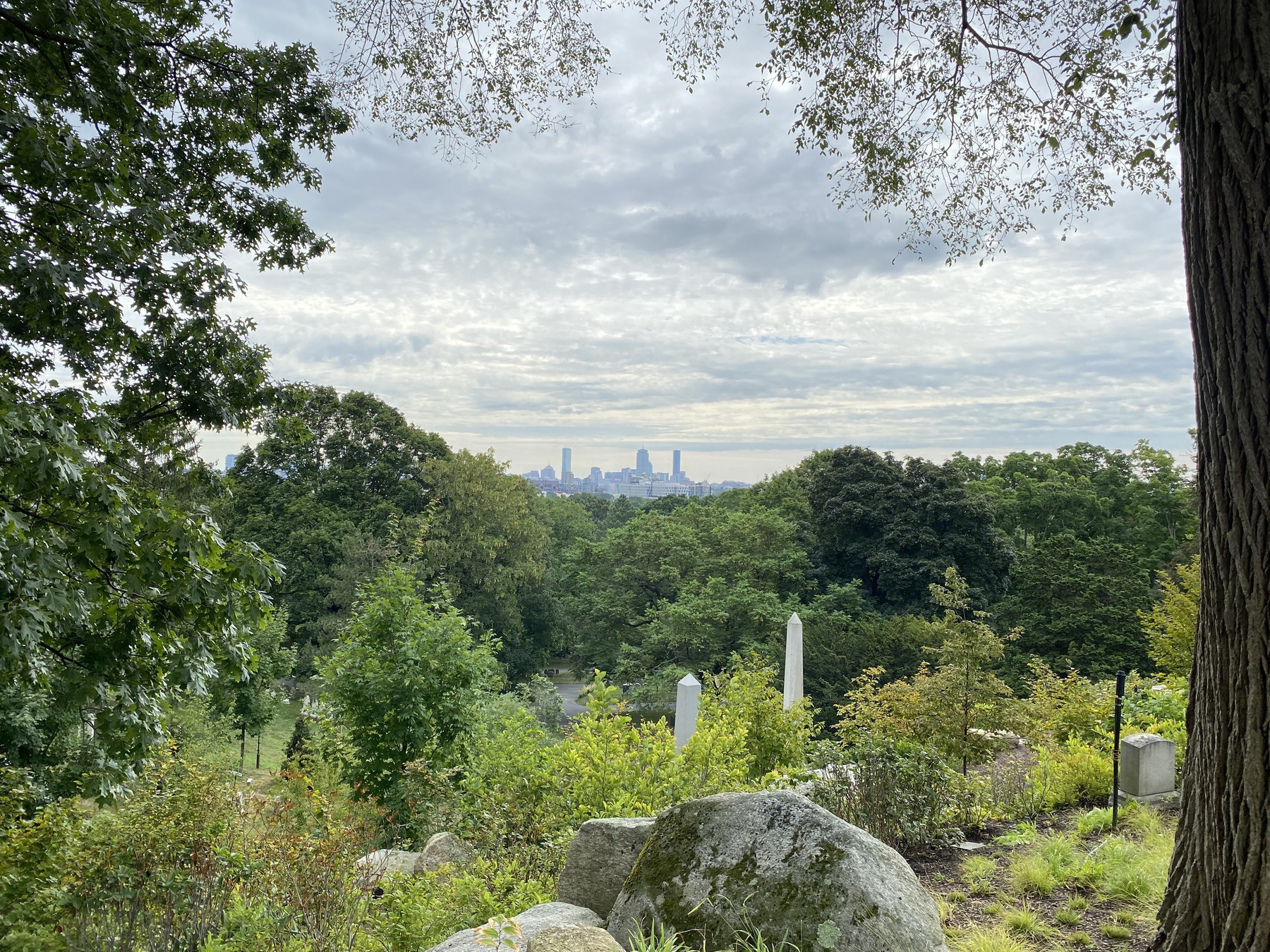
View #mbaug 8
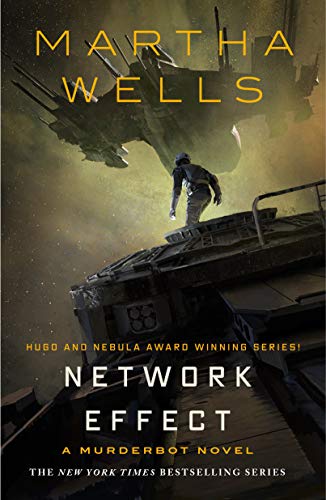
If you are a follower of the Murderbot Diaries then you have already read the latest addition to the canon. If not, I suggest that you sample the original novella length installments, beginning with All Systems Red et cetera. Those bagatelles are comfort reading for the jaded SF aficionado, abounding with self referential genre tropes, and this newest entry is more of the same, the novel length allowing more of what makes Murderbot so endearing: the humans are ciphers, the artificial intelligences are heroes, and there is a great deal of action, gunplay, and binging on interstellar telenovelas.
Along the way we reflect on what it means to be human, the importance of found families, and how an artificial person (and Murderbot is most certainly people) who lacks the basic social skills of a toddler can still be so profoundly connected to basic anthropomorphic emotions. And yet I have to wonder if the longer format really adds to the mythos more than another novella would have done, and I wonder if we could perhaps have been just as satisfied, if not more, with a shorter format. And perhaps Ms. Wells would agree, as a prequel novella is planned for next year.
I still recommend the book, but then you’ve already read it, haven’t you?
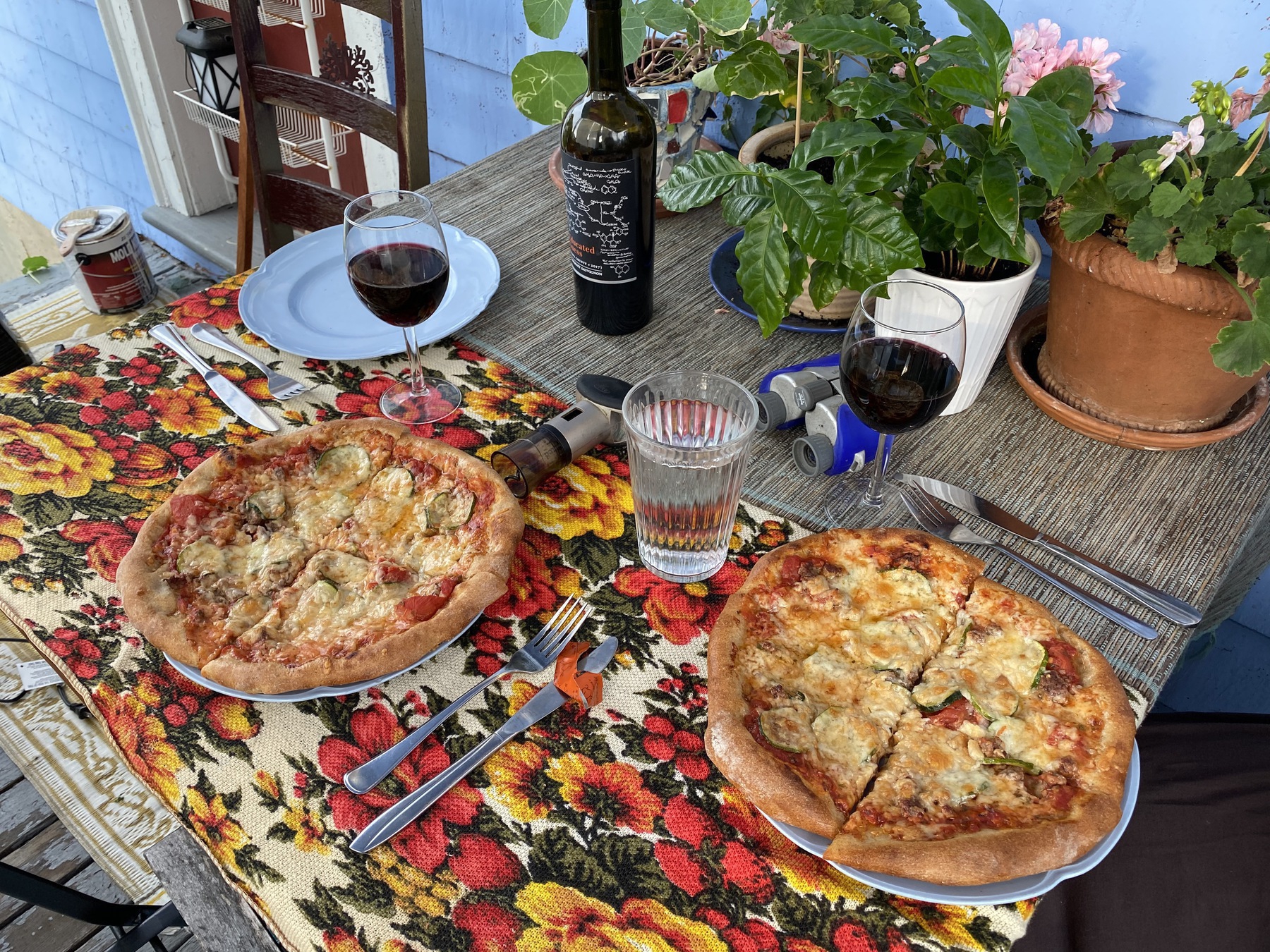
Pizza is on Friday this week; I blame global warming. 🍕
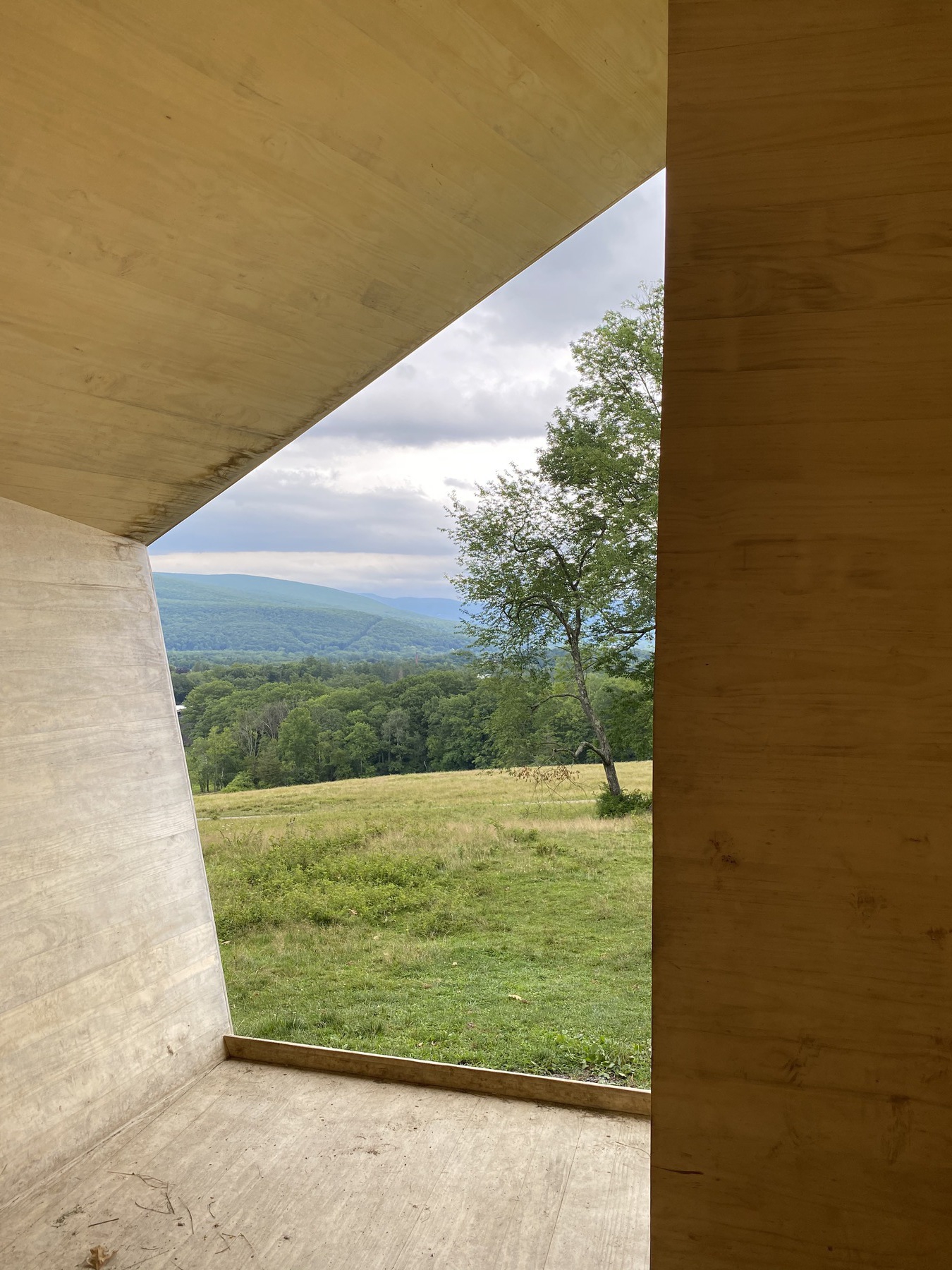
Daytripping to a different (better?) world #mbaug 7
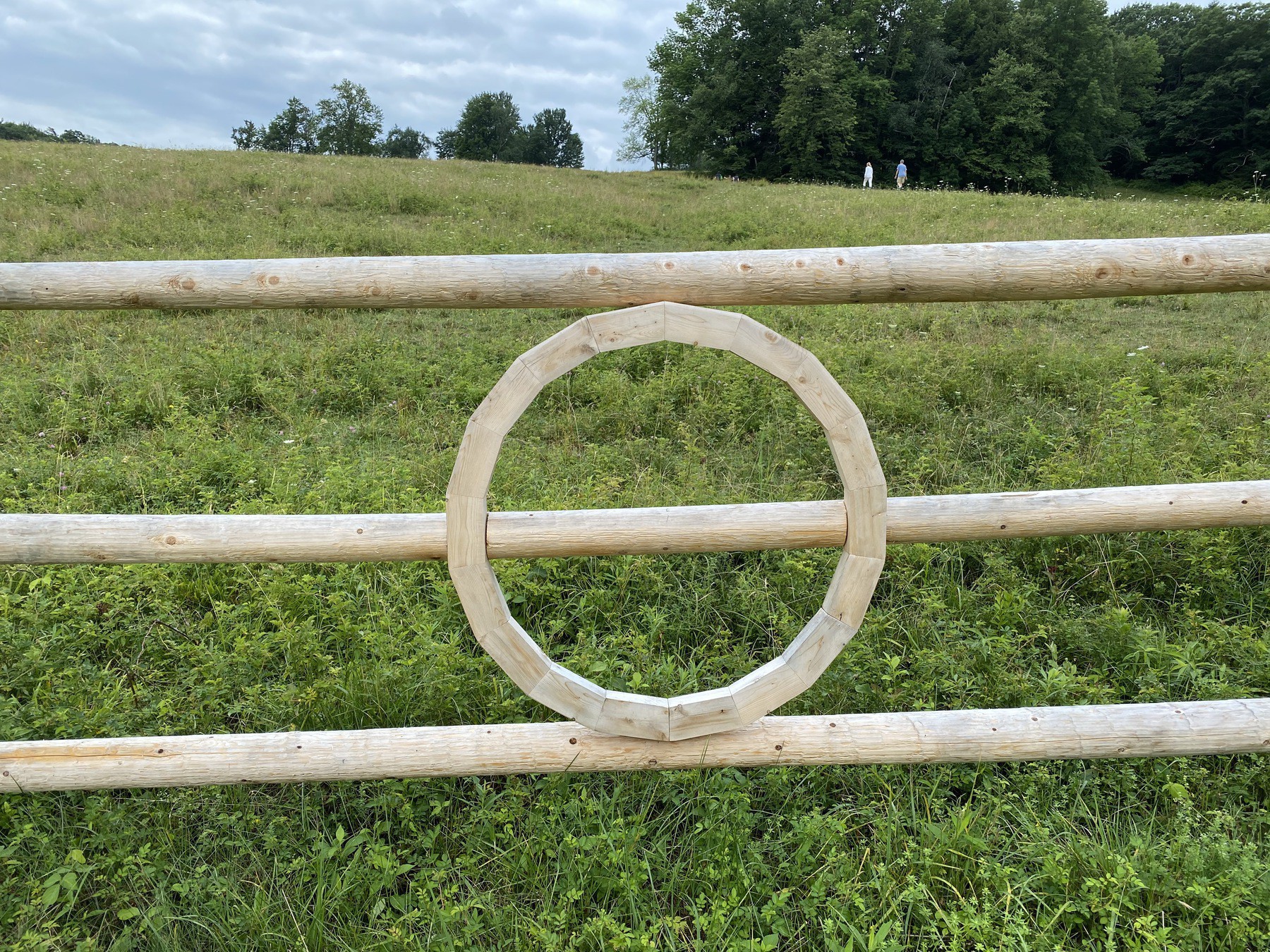
Bisect #mbaug 6
Flowing water #mbaug 5