I strongly endorse this opinion piece by Dana Milbank in the Washington Post: www.washingtonpost.com/opinions/…
Ban all the Nazis!
The President has not resigned and the Cabinet has failed to do their duty, so it’s down to Congress now. Ideally this should happen before the inevitable self-pardon.
The President should resign. If he does not, the Cabinet should remove him from office. If they do not, Congress should impeach him again and remove him from office.
Well this has been a day.
This editorial in the New York Times makes an important point: even though the current attempt to overturn the election is failing, the very fact that the attempt was made to exploit the Electoral College implies that it could happen again. www.nytimes.com/2021/01/0…
I expect recounts but the news from Georgia is good. Today we need a majority in Congress to honor their oaths and vote for democracy.
Taking the car in for service today 🚗
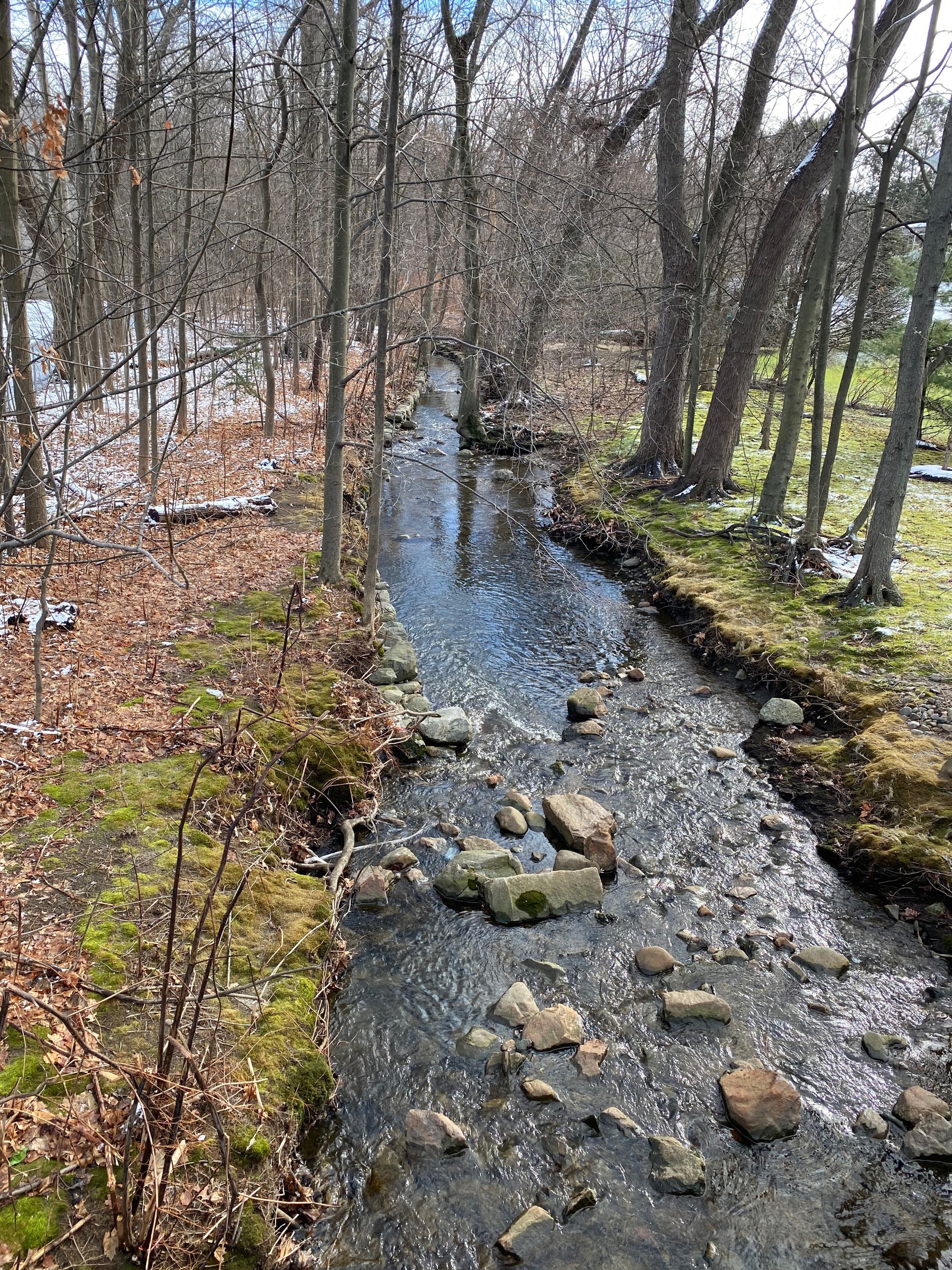
OK back to work!
Attempting to throw out the certified results of a legitimate election is a violation of the oath to protect and defend the constitution. This applies to both the lame duck President and the members of Congress who are enabling his lies.
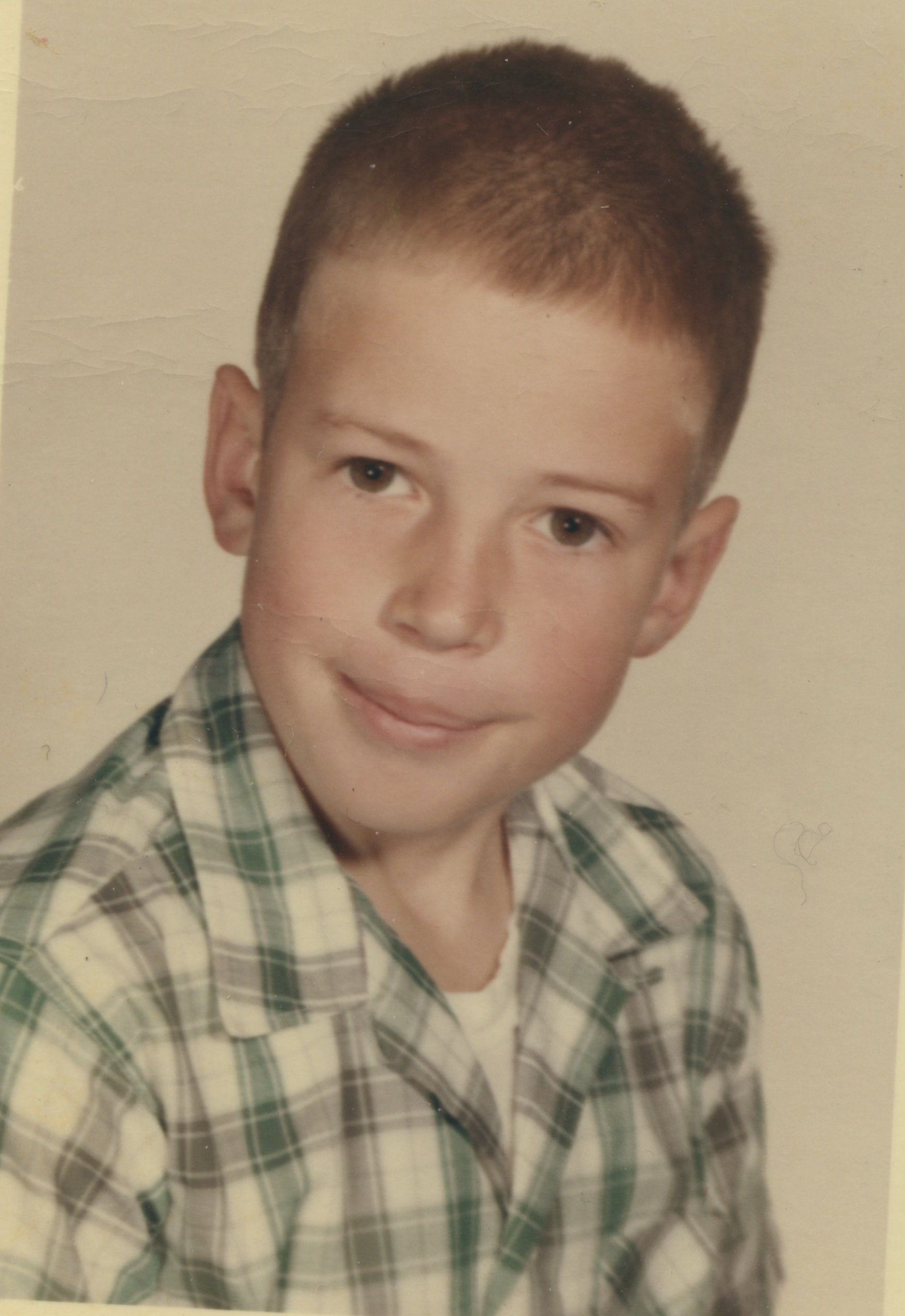
New profile picture?
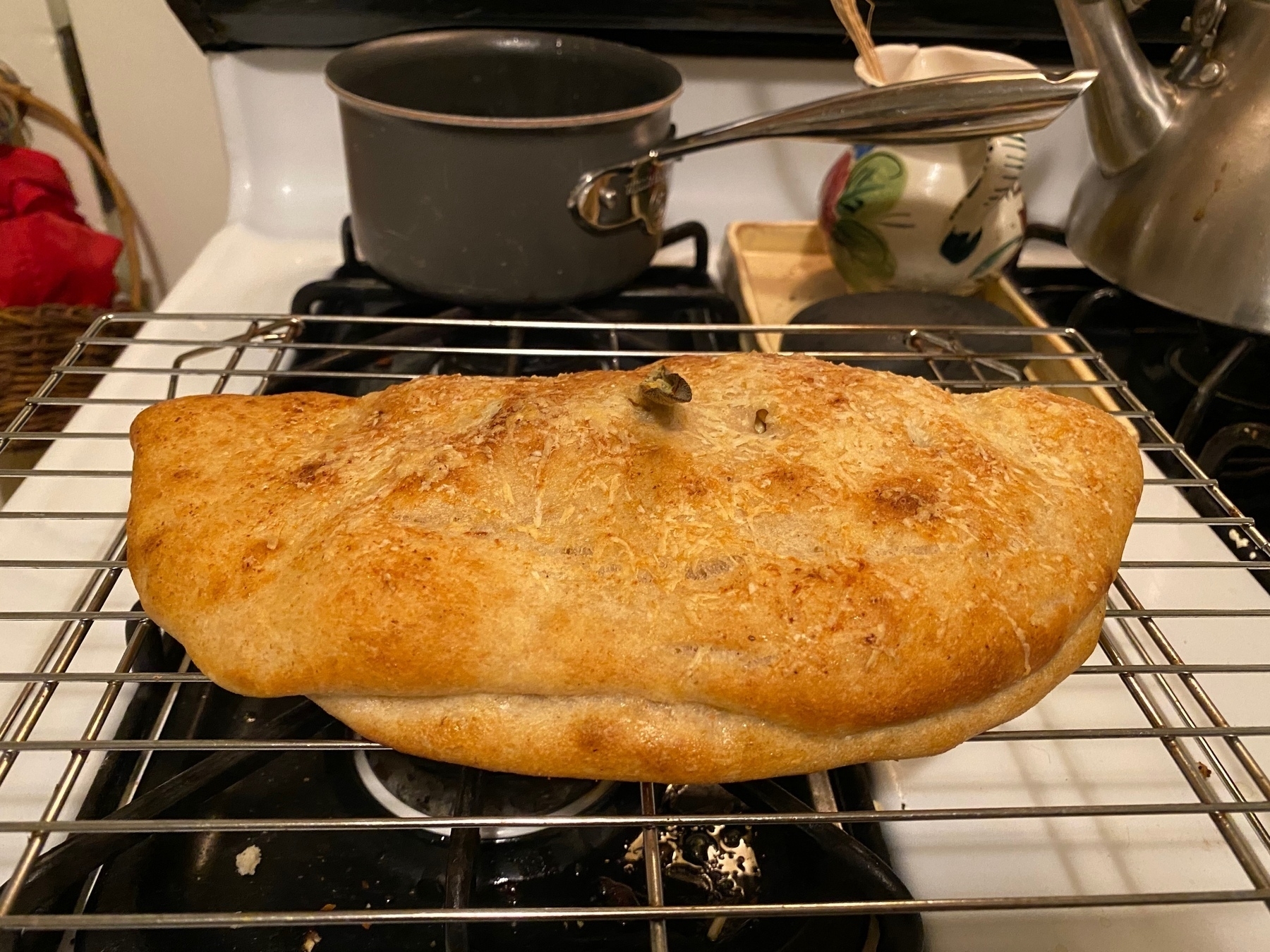
Potato, egg, and sausage calzone 🍕
Arlington Great Meadows
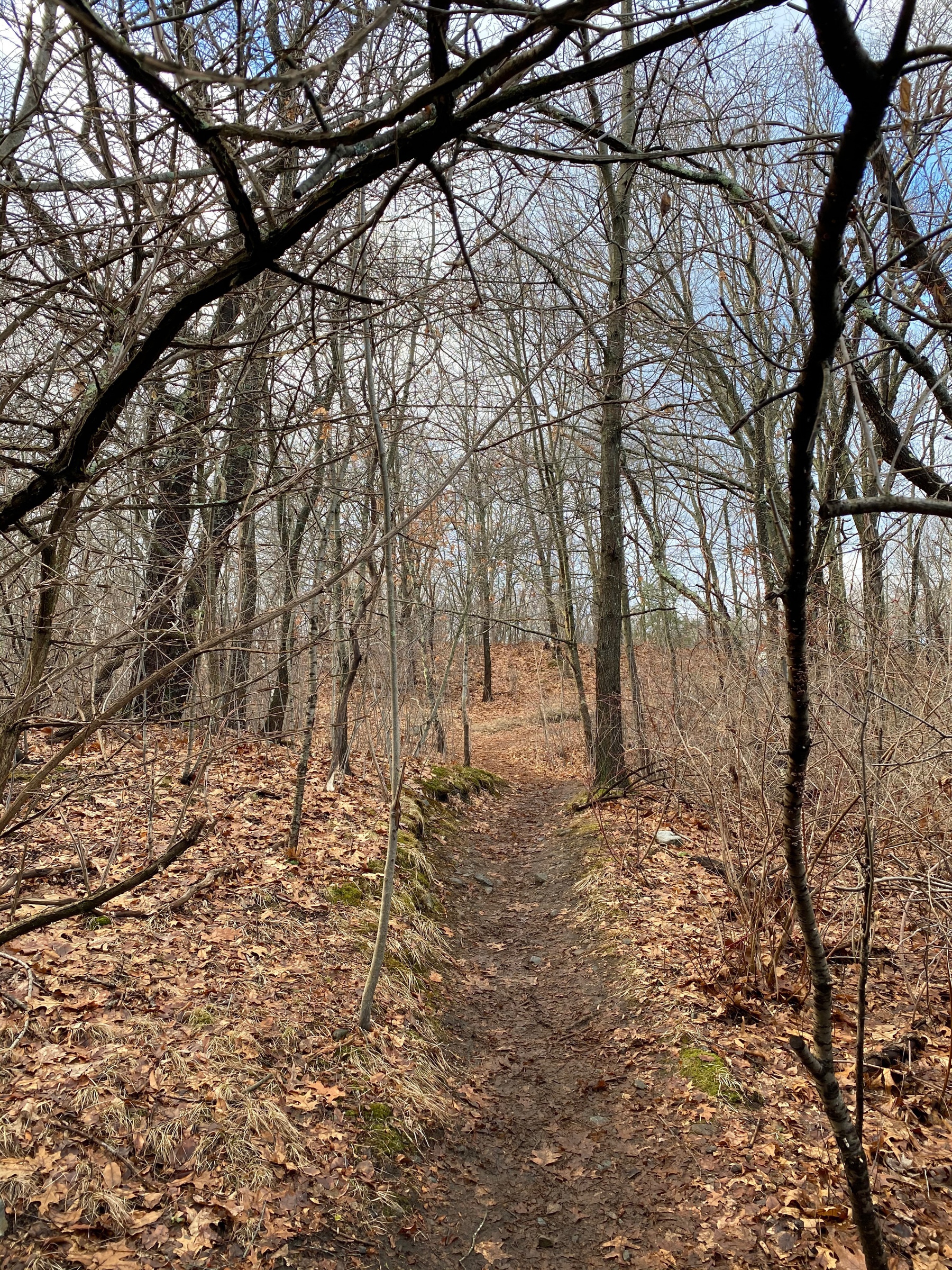
Two more days on holiday and then back to work.
So far I’ve managed to post at least once every day this year!
Happy New Year
The day is finally here, only a few more hours left before 2020 ends in all time zones. Then we only need to worry about Jan 5 (runoff election in Georgia), Jan 6 (electoral college votes tabulated in Congress), Jan 20 (inauguration in DC), …
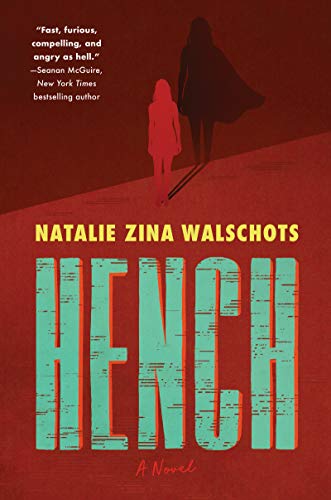
Hench by Natalie Zina Walschots 📚
It has been difficult for me to sit down and read a book lately, despite reading being the best way for me to escape stress and depression, to spend some time in a different world detached from the travails of so-called “real life.” The global pandemic, the ongoing attempts by racist, authoritarian extremists to destroy democracy, the acceleration of human caused climate change, the replacement of traditional media and journalism by highly biased algorithm based social feeds, all of these forces and more make any escape from doomscrolling seem all but impossible.
Recently the only way for me to make that escape is to have the secondary world of the novel be even worse than the one we currently inhabit, which Hench provides in spades. We meet our first person protagonist Anna working as a lowly temp henchman for a cut rate villain under constant threat from costumed superhumans, in effect a red shirt of the criminal world. In common with recent treatments on the small screen (such as The Boys on Amazon Prime or Watchmen on HBO Max, each based on earlier comic series) we quickly learn that the real monsters are the “heroes” themselves, who appear suddenly, wreak destruction on the henches, and vanish again, often leaving extensive collateral damage. The matter-of-fact way in which the narrator tosses off brief references to the names and abilities of these superhumans makes it clear that they are the ultimate media celebrities, supported by a vast government bureaucracy and lauded by the public at large.
Anna has fallen into her life of crime as a result of desperate economic circumstances, but after an encounter with a super where she survives a glancing blow with “only” a shattered femur she discovers that her true talent lies in data analysis, and in particular determining the effects of those super powers both in lives and property. In short order she is using her talent for pattern recognition as part of a team under the direction of a major supervillain in an attempt to limit that damage by any means necessary. The story manages the moral inversion with aplomb, using Anna’s words and experiences to present a sympathetic view of villainy, and making the fight against government sanctioned heroes a logical necessity.
Along the way terrible things happen, both to Anna and to several of her costumed adversaries, and the action becomes frenetic at times as the stakes are raised and situations become increasingly desperate. And yet each set piece flows naturally from the one before, and the comic book revelations make sense within the strange and complex world. Many loose ends are tied up by the end, but not all…there is plenty of room left for a sequel.
Highly recommended.
How could I forget the Oxford Comma?
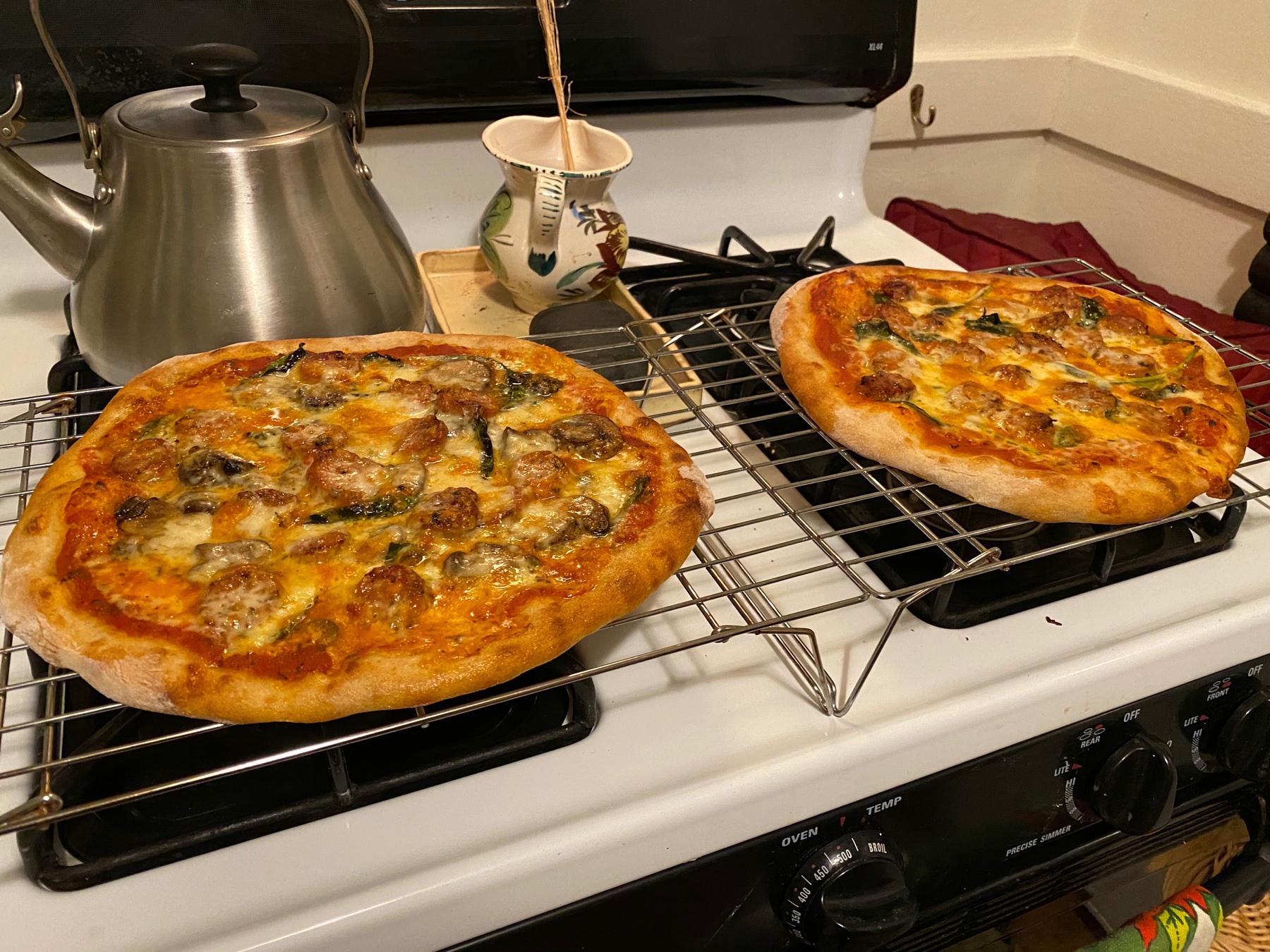
Last pizza of the year, spinach, sausage, and mushrooms 🍕
Welcome Yule!
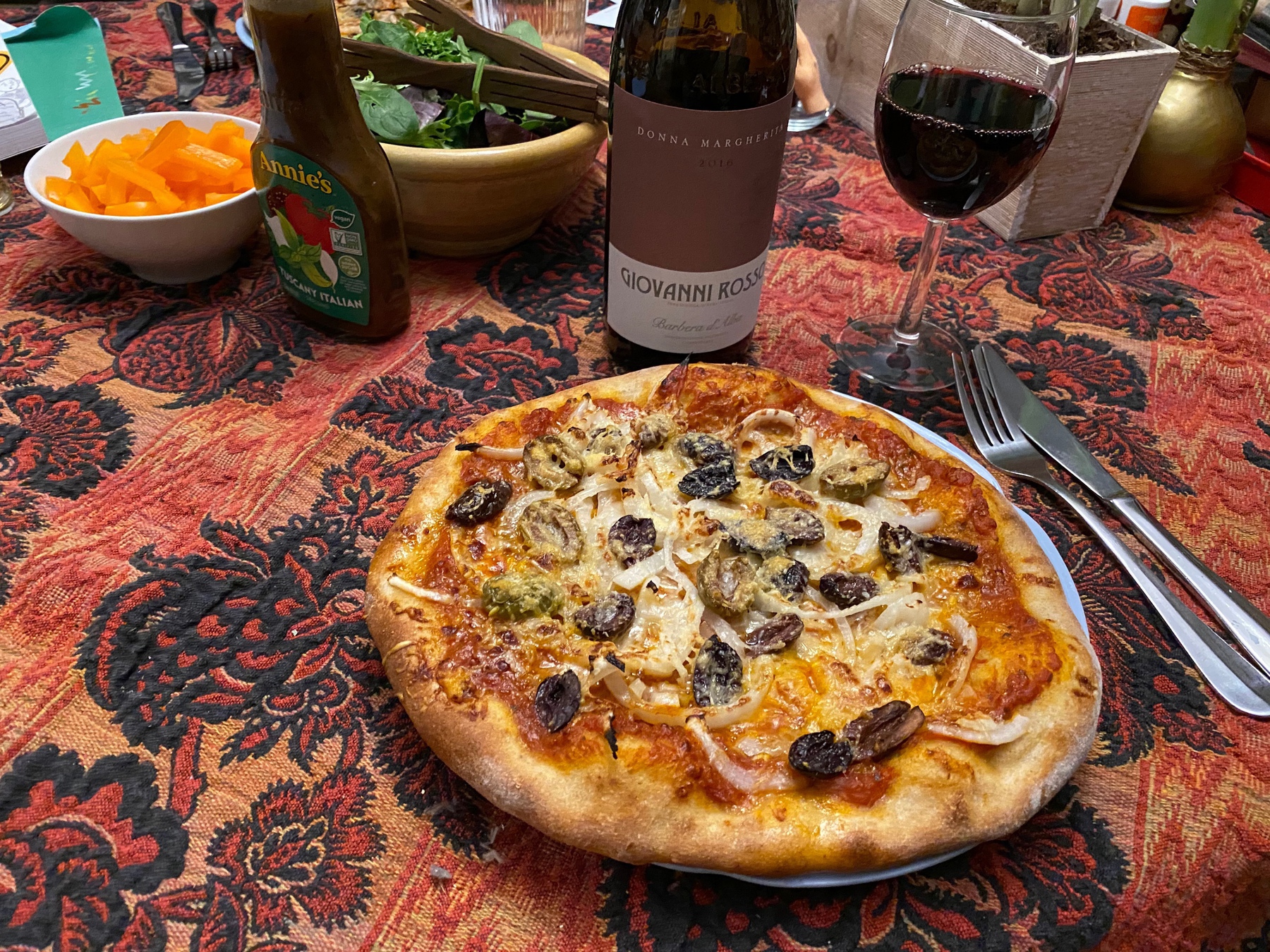
Olives and onions 🍕
Big pepperoni 🍕
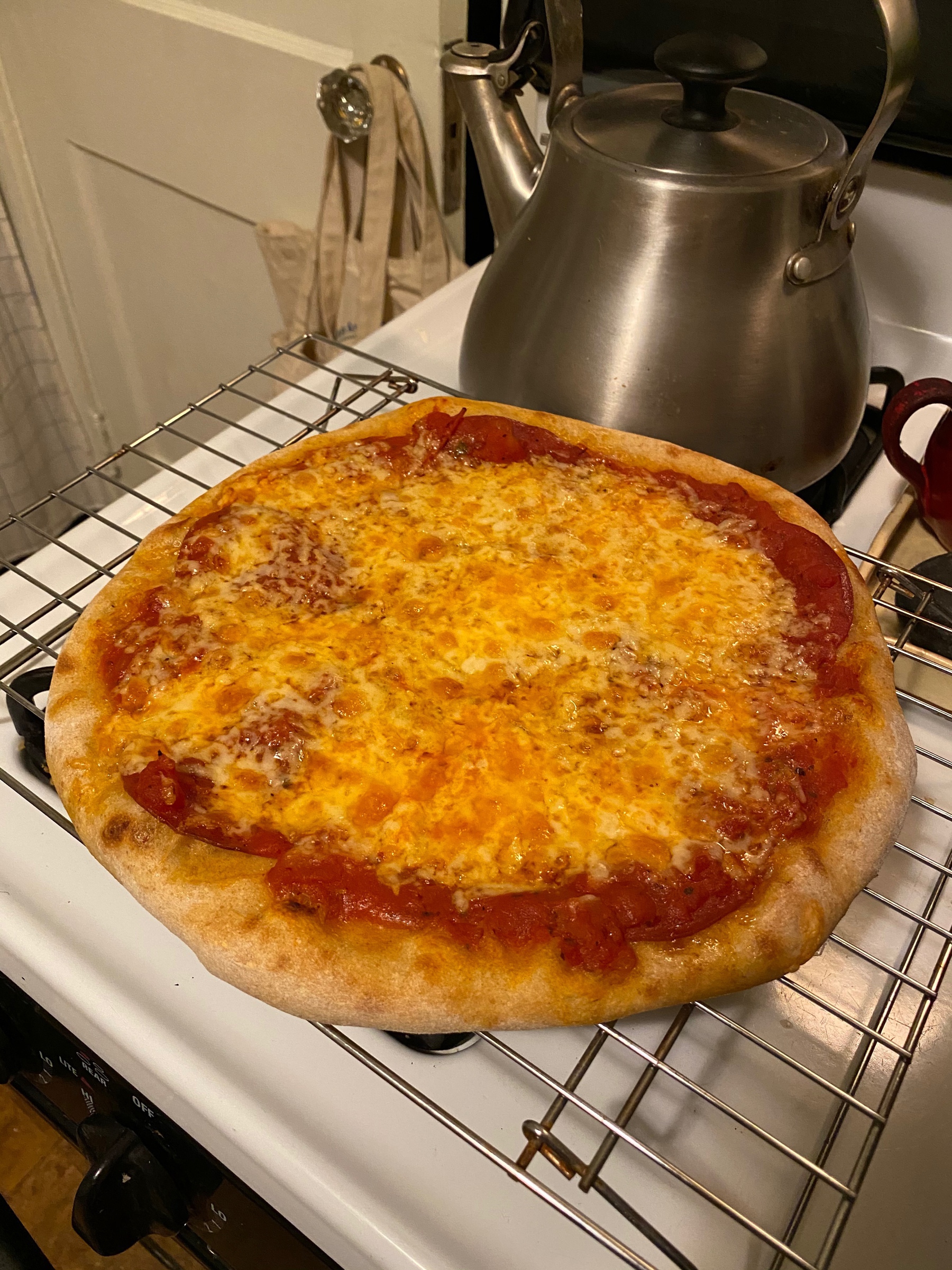
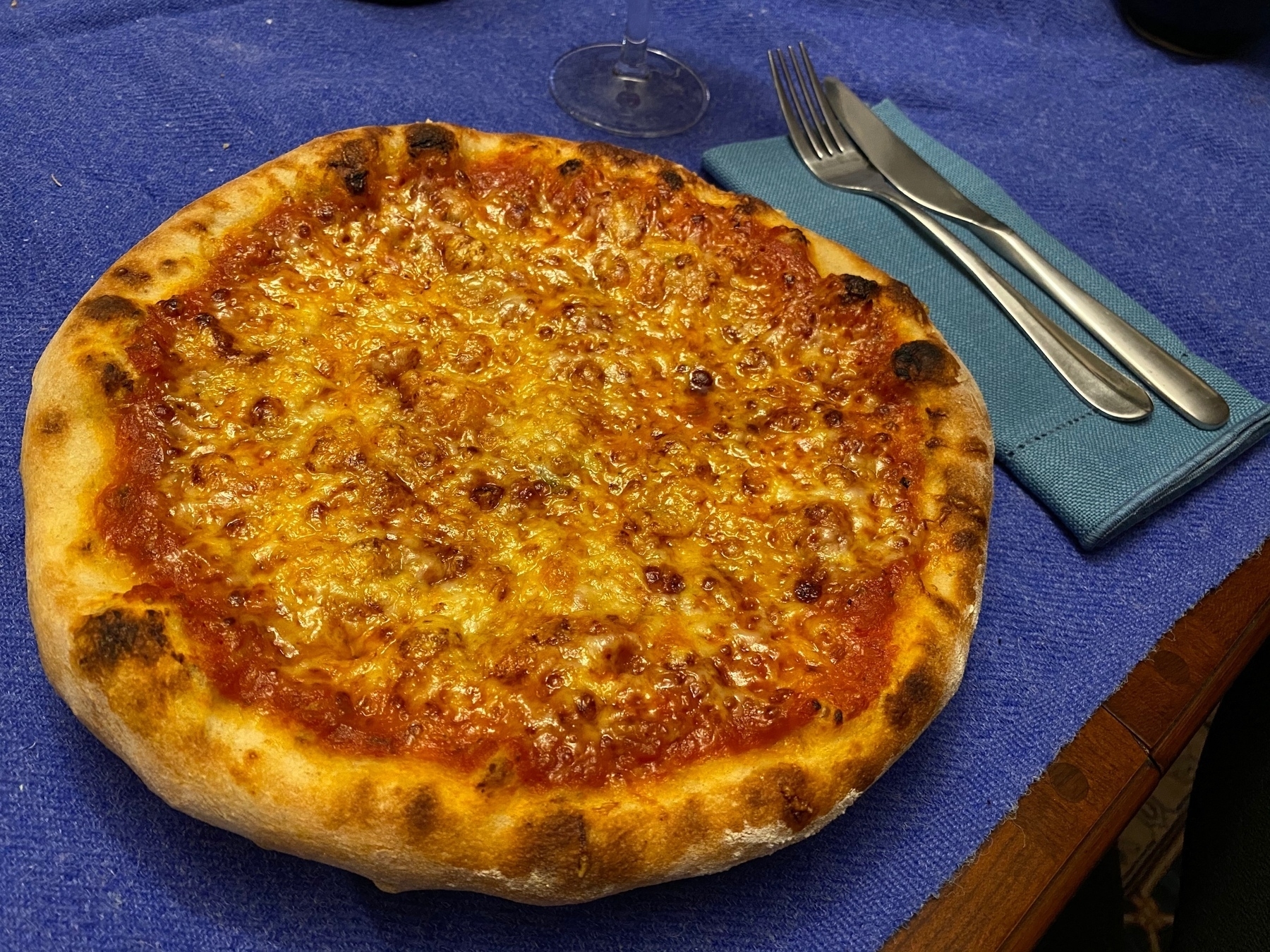
Margherita again 🍕